

In the realm of veterinary medicine, the accuracy of pet diagnostics plays a crucial role in ensuring optimal healthcare outcomes for our beloved animal companions pet hospital.
This article delves into the insights provided by veterinary professionals in Malaysia regarding the precision and reliability of various diagnostic tools and techniques utilized in the diagnosis of pets.
By shedding light on the challenges and advancements in pet diagnostics, this exploration aims to empower pet owners with knowledge to make informed decisions about their furry friends’ healthcare.
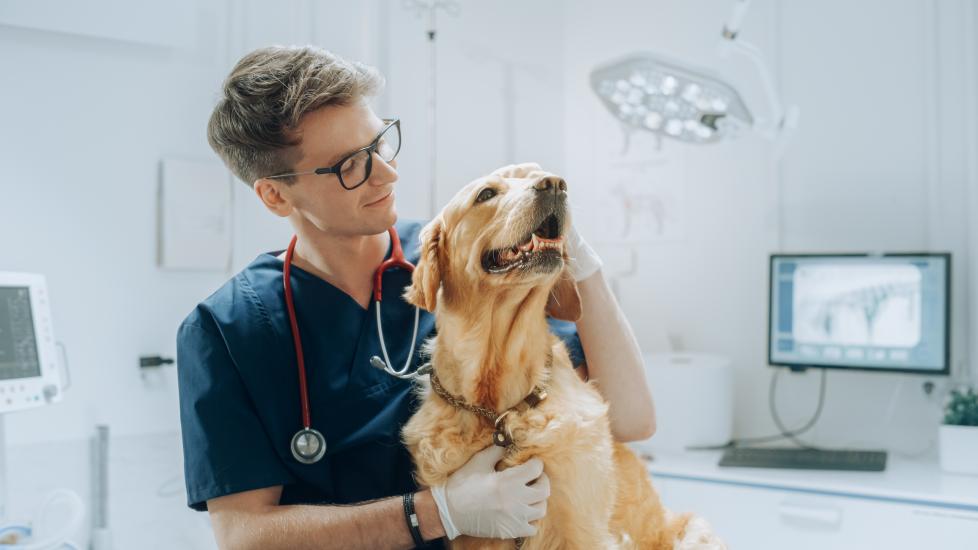
Diagnostic Blood Tests in Pets
Frequently, diagnostic blood tests are employed in veterinary medicine to assess the health status of pets with precision and reliability. These tests provide valuable insights into various aspects of a pet’s health, such as organ function, blood cell counts, and potential infections https://starlight-vet.com/.
By analyzing blood samples, veterinarians can detect underlying health issues, monitor the effectiveness of treatments, and make informed decisions regarding a pet’s care. Additionally, diagnostic blood tests play a crucial role in preventive medicine by identifying early signs of diseases, allowing for timely intervention and improved outcomes.
With advancements in technology and a better understanding of veterinary medicine, these tests continue to evolve, providing pet owners with accurate and timely information to ensure the well-being of their beloved companions.
Imaging Technologies for Diagnosis
Diagnostic blood tests in pets provide valuable insights into various health aspects; however, to complement this information, veterinary professionals in Malaysia often utilize advanced imaging technologies for precise diagnoses. These imaging technologies include X-rays, ultrasounds, MRIs, and CT scans, which allow veterinarians to visualize internal organs, bones, tissues, and abnormalities that may not be apparent through physical examination alone.
X-rays are commonly used to assess bone fractures, joint problems, and foreign object ingestion, while ultrasounds are beneficial for evaluating soft tissues like organs and muscles. MRIs and CT scans provide detailed cross-sectional images, aiding in the diagnosis of complex conditions such as brain tumors or spinal cord injuries.
Accuracy of Urine Analysis
Urine analysis plays a crucial role in discerning underlying health conditions in pets. It is a non-invasive diagnostic tool that provides valuable insights into the overall health of an animal. By examining the physical, chemical, and microscopic properties of urine, veterinarians can detect various issues such as urinary tract infections, kidney diseases, diabetes, and liver problems.
Despite its importance, the accuracy of urine analysis can be influenced by factors like sample collection methods, storage conditions, and testing procedures. Therefore, to ensure reliable results, it is essential for pet owners to follow the vet’s instructions carefully when collecting urine samples and for veterinarians to use standardized protocols for analysis. This attention to detail can significantly improve the diagnostic accuracy and subsequent treatment of pets.
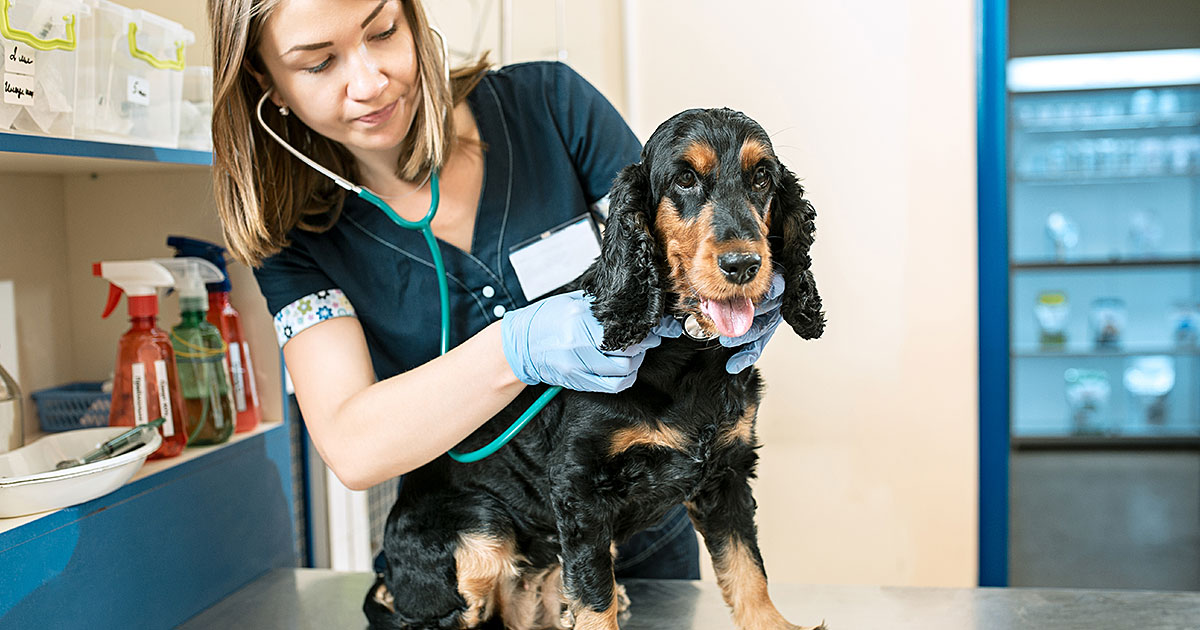
Challenges in Diagnostic Accuracy
Achieving diagnostic precision in pet healthcare presents inherent challenges that demand meticulous attention to detail and adherence to standardized protocols. Factors such as the inability of pets to communicate symptoms clearly, the presence of multiple concurrent health issues, and the reliance on subjective assessments by pet owners can complicate the diagnostic process.
Additionally, the diverse range of breeds and species with unique physiological differences requires veterinarians to be well-versed in a broad spectrum of diagnostic techniques. Limited access to advanced diagnostic tools in certain regions further exacerbates the challenge of achieving accurate diagnoses.
To overcome these obstacles, continuous education, collaboration with specialists, and the incorporation of cutting-edge technologies are essential in enhancing diagnostic accuracy in pet healthcare.
Expert Insights on Pet Diagnostics
In veterinary practice, a thorough physical examination remains a fundamental aspect of assessing pet health. Beyond this initial step, expert insights play a crucial role in guiding pet diagnostics. Veterinarians, through their training and experience, bring a wealth of knowledge to accurately interpret diagnostic tests and symptoms.
These professionals understand the nuances of each case, allowing them to make informed decisions on the most appropriate diagnostic tools to employ. Moreover, their ability to consider various factors such as the pet’s breed, age, and medical history enhances the accuracy of the diagnostic process.
Conclusion
In conclusion, pet diagnostics, including blood tests, imaging technologies, and urine analysis, play a crucial role in identifying and treating illnesses in animals.
Despite challenges in accuracy, veterinary experts in Malaysia emphasize the importance of utilizing various diagnostic tools to ensure accurate diagnoses and effective treatment plans for pets.
Continued advancements in diagnostic technologies and ongoing professional development are essential in enhancing the accuracy and reliability of pet diagnostics in veterinary practice.