

Many people miss simple foot-care habits that prevent common problems. Trim toenails straight across with clean, sharp clippers and avoid cutting too short chiropodist vs podiatrist. Moisturize heels and dorsal skin once daily, but keep interdigital spaces dry. Choose breathable shoes, moisture-wicking socks, and removable insoles to reduce odor and blisters. Inspect soles, nails, and web spaces daily for redness, swelling, or tenderness. Clean minor issues promptly and seek podiatry for worsening signs; further practical guidance follows below.
How to Trim Toenails Safely to Prevent Ingrown Nails
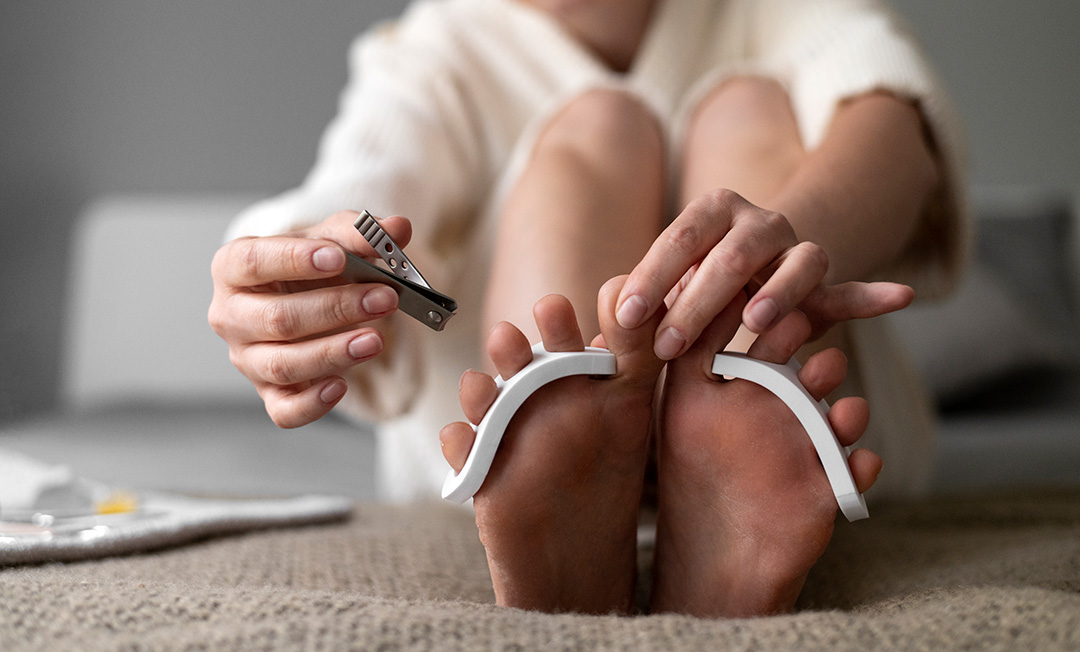
Begin by inspecting the nail plate and surrounding skin for signs of redness, swelling, or curved growth; these indicate increased risk for ingrown toenails and warrant careful trimming or professional evaluation.
The clinician or informed individual selects clean tools and positions the foot for visibility.
Cut nails to a proper length: straight across People Podiatry, leaving a small white free edge but not too short.
Employ straight edge trimming with sharp clippers, avoiding rounded or scooped shapes that promote lateral pressure.
Smooth corners with a fine file only when necessary, without tapering toward the skin.
After trimming, reassess tissue for impingement.
If pain, persistent curvature, or recurrent issues are present, recommend prompt referral to a podiatrist.
Documentation of technique supports consistent self-care and autonomy.
Balance Moisture : When to Moisturize and When to Keep Feet Dry
In evaluating foot skin health, balancing moisture involves targeted strategies to prevent both excessive dryness and maceration: hydrate areas prone to cracking (heels, dorsal toes, callused regions) with a low-irritant emollient once daily or as needed, while maintaining dryness in interdigital spaces and between toes to reduce fungal and bacterial proliferation.
Treatment timing matters: apply moisturizer after bath to seal hydration on thickened surfaces, allowing skin to absorb before dressing. Avoid emollients between toes; instead use gentle towel drying and, if needed, a sterile cotton spacer.
For daytime dusting, a light talc-free powder can keep web spaces dry without suffocating skin. Monitor response; adjust frequency when activity, climate, or skin condition changes to preserve mobility and comfort.
Pick Breathable Shoes and Socks That Cut Odor and Blisters
After optimizing skin moisture and keeping web spaces dry, attention shifts to footwear and sock choices that reduce odor, friction, and blister risk. Selection favors breathable materials, structured arch support, and a moisture wicking lining to manage sweat and microbial growth. Socks made of technical fibers separate skin from shoe tissue, lower shear, and allow ventilation. Footwear with mesh panels and removable insoles facilitates drying and replacement. Fit should allow toe splay without slippage; adjust lacing rather than size to control movement. Routine replacement of socks and insoles preserves function. The objective is durable comfort that enables activity without compromise.
| Feature | Benefit | Recommendation |
|---|---|---|
| Breathable upper | Evaporative cooling | Mesh or knit |
| Moisture wicking lining | Sweat control | Synthetic blends |
| Arch support | Load distribution | Contoured insole |
Simple Daily Foot Checks to Spot Problems Early
Taking a few minutes each day, caregivers or individuals should inspect the feet systematically to detect early signs of injury, infection, or pressure-related change.
The routine includes visual examination of soles, interdigital spaces, nails, and periungual tissue for cuts, redness, swelling, maceration, or callus formation.
Palpation assesses tenderness, induration, and fluctuance.
Daily inspection pairs with skin temperature monitoring—comparing bilateral warmth to reveal focal inflammation or ischemia.
Note sensory loss by simple touch and note persistent dry or cracked skin.
Record findings and changes to preserve autonomy in care decisions.
Use adequate lighting and mirrors as needed.
Consistent, objective checks enable timely modification of footwear, hygiene, or activity before problems escalate.
Quick Fixes and When to See a Podiatrist
Although minor foot problems can often be managed at home with straightforward measures, clear criteria should guide when professional podiatric evaluation is required.
The piece outlines sensible at home remedies—cleaning, drying, topical antiseptics, over‑the‑counter antifungals, nail trimming with sterile tools, cushioning for blisters, and short‑term rest and elevation.
Indicators for escalation are specified: persistent pain beyond 72 hours, progressive redness or swelling, drainage or foul odor, worsening deformity, nonhealing ulcers, and systemic signs such as fever.
Emergency signs include acute severe pain after injury, visible bone exposure, uncontrolled bleeding, or sudden loss of sensation.
Patients with diabetes, peripheral vascular disease, or immunosuppression are advised to seek earlier consultation.
Referral to a podiatrist should be prompt when conservative measures fail or risk factors exist.
Conclusion
Routine, precise foot care reduces common problems and preserves mobility. Regular, careful toenail trimming, appropriate moisture control, breathable footwear, and daily inspections form a simple, effective regimen. Practical interventions—orthotic-friendly shoes, moisture-wicking socks, topical emollients applied selectively, and prompt attention to wounds—minimize risk. Minor issues respond to conservative measures; persistent pain, spreading infection, or structural deformity warrants timely podiatric evaluation to prevent complications and maintain functional foot health.